
How to price
auto transport loads
Price too high and the customer books with someone else. Price too low and no carrier will haul it, or your margin disappears covering the gap. A quote is the one number that has to win the customer and pay the carrier at the same time. Here is how to do both, lane after lane.
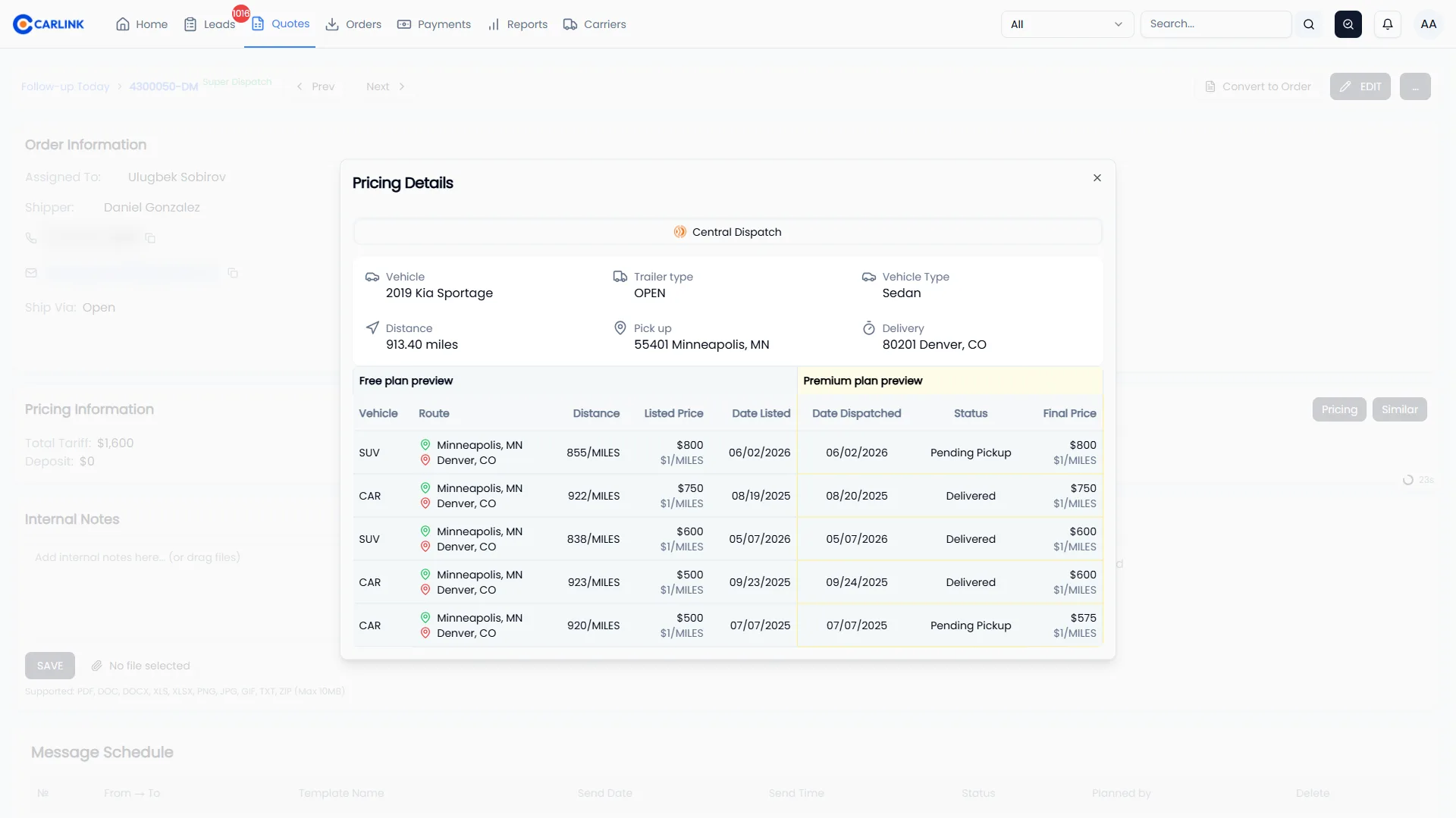
Your quote has to win two negotiations at once
Pricing a load is not one decision, it's two. The tariff has to be cheap enough that the customer books you instead of the next broker. The carrier pay has to be high enough that a driver actually takes the car. The gap between those two numbers is your margin, and it's the easiest thing in this business to give away by accident.
Set the tariff too low to win the customer and the load won't cover a carrier, so you either eat the difference or watch the order cancel. Set the carrier pay too low to pad your margin and the car sits on the board for days, until you raise the pay anyway and the margin you were protecting vanishes.
Pricing for margin means getting both numbers right on the first try. That starts with understanding what actually moves the price.
Seven things that move a carrier's rate
A carrier doesn't care what you quoted the customer. They price the haul on what it costs them to move that specific car on that specific lane. Quote without accounting for these and you'll either scare the customer off or strand the load.
| Factor | Effect on rate | Matters most for |
|---|---|---|
Lane and distance Total cost climbs with miles, but the per-mile cost drops on long hauls and spikes on short, rural hops. | Sets the floor | Every load |
Vehicle size and type Trucks, vans, and lifted SUVs eat more deck space and weight than a sedan, so carriers charge more. | Raises rate | Large or modified |
Operable or not Inoperable cars need a winch and careful loading. Expect a premium, and disclose it to the customer up front. | Raises rate | Non-running units |
Route density Busy lanes have carriers competing for freight. Remote pickups or deliveries have few, so they cost more. | Swings both ways | Rural, dead lanes |
Season and weather Snowbird routes into Florida, winter mountain passes, and holiday weeks all tighten carrier capacity. | Raises rate | Peak windows |
Timing and urgency A next-day pickup pays for itself. A flexible window gives carriers room and gives you a better number. | Raises rate | Rushed pickups |
Open vs enclosed Enclosed transport for classics and high-value vehicles runs well above open hauling. | Raises rate | High-value cars |
None of these are guesswork once you have lane history. The same route, vehicle, and season has moved before, often dozens of times. The brokers who price well aren't smarter, they just look at what their own orders already proved instead of pulling a number out of the air.
One load, broken down
Strip a booking down to its numbers and the whole game gets simple. The customer pays a tariff. The carrier gets paid to haul. What's left is yours, and it only stays yours if both numbers were right when you quoted.
- Customer tariff
- $1,200
- Carrier pay
- $950
- Your margin
- $250 (about 21%)
Quote the tariff $200 lower to beat a competitor and that margin is nearly gone. Shave the carrier pay $200 to protect it and the car sits unbooked until you put the money back. Pricing for margin means defending both numbers at the same time.
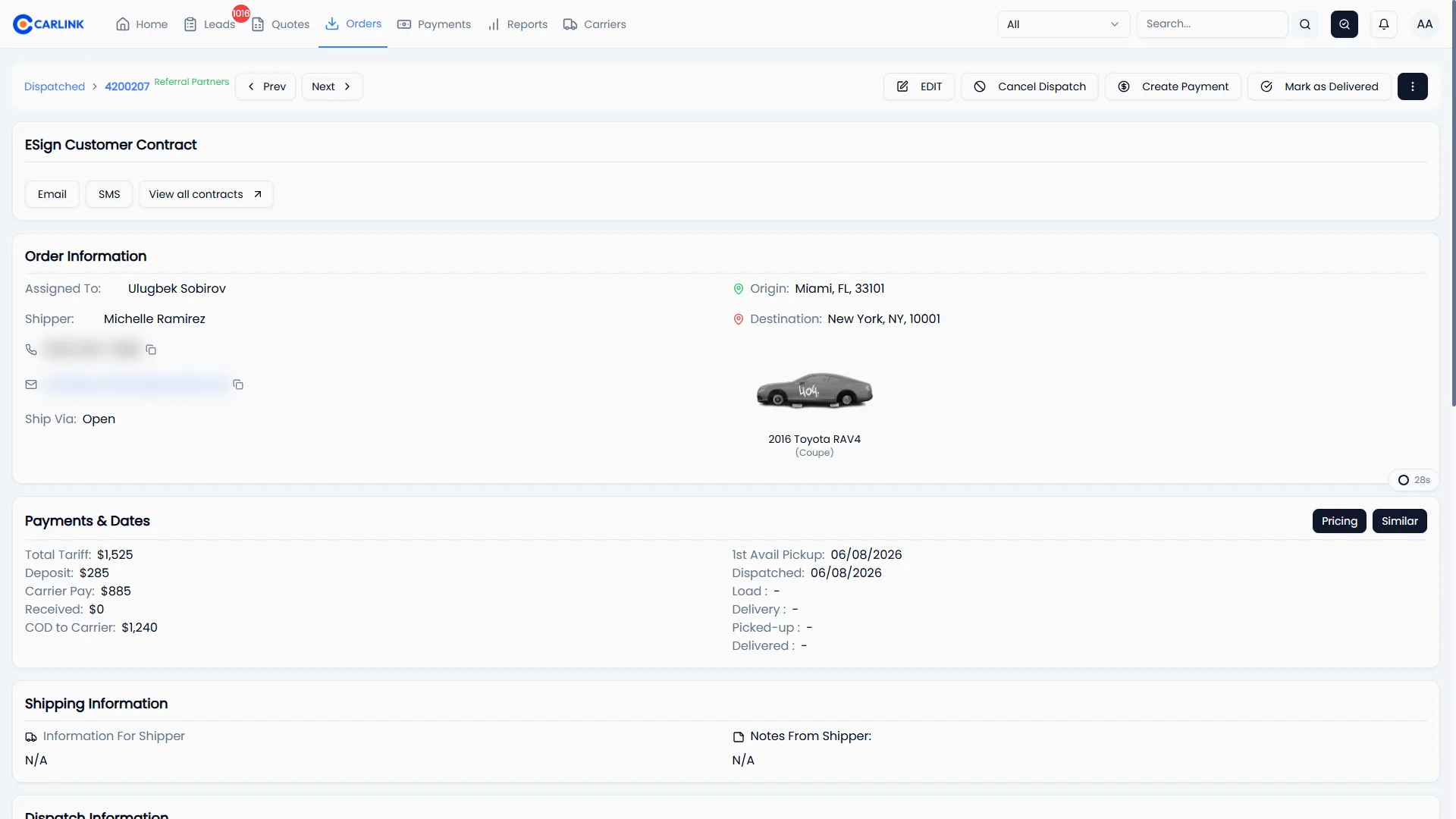
When every load's tariff, carrier pay, and margin sit in one place, you stop guessing whether a booking made money. Pricing that quotes from lane history and your margin rules is what keeps that $250 from quietly leaking out on every order.
Four moves that protect margin on every quote
None of these slow you down. They keep speed from costing you the carrier, and keep winning the booking from costing you the profit.
Price from lane history, not gut feel
01The fastest way to misprice a load is to guess. What actually moved on this lane last week, and at what carrier pay, is the number you can defend. Pull from your own order history and you quote a tariff that wins the customer and still clears a carrier.
- Recent carrier pay on the lane beats a gut estimate every time
- Vehicle type and condition adjust the base, they don't replace it
- A defensible number is one you can repeat without second-guessing
Set a margin floor and hold it
02Speed is worthless if you book loads that lose money. A margin floor per lane or vehicle type stops agents from racing each other to the bottom to win a booking that never should have closed in the first place.
- Decide the minimum margin you will accept before quoting, not after
- Let agents move within a band, never below the floor
- Consistent pricing protects the brand and the bottom line
Quote fast, but quote a real number
03On a resold lead the first credible quote usually wins, but a fast number no carrier will take is worse than a slow one. Quote quickly off your lane data so the speed advantage doesn't cost you the carrier an hour later.
- A quote in minutes wins the customer's attention
- A quote built on lane history wins the carrier too
- Re-quoting after a carrier balks burns the margin and the goodwill
Measure margin by lane and agent
04Averages hide the loads that lose money. Tracking margin by lane, vehicle type, and agent shows you which routes are worth chasing and which quotes keep getting cut to the bone to close.
- Some lanes look busy but barely clear a margin
- Some agents discount far more than others to hit their numbers
- What you measure by lane, you can price by lane
The quickest ways brokers give margin away
Most lost margin isn't lost to a competitor. It's handed over by habit, one quote at a time:
- Quoting from memory instead of recent lane data, so every number is really a guess
- Underpaying the carrier to pad the quote, then raising the pay later and eating the difference
- Letting two agents quote the same lane wildly differently, with no floor between them
- Chasing the lowest price to win bookings that were never going to be profitable
- Never looking back at which lanes and vehicles actually made money last month
Fix these and you don't need to raise a single tariff to make more money. You just stop leaking the margin you already earned. Reporting that shows margin by lane, vehicle, and agent is how you spot the leaks before they add up to a bad month.
Frequently asked questions
Quote every load for margin
Carlink prices each lead from your lane history, holds your margin floor, and tracks tariff, carrier pay, and margin on every order, so you win the booking without giving away the profit. Migration takes a day, and we handle it.
More from the Carlink blog
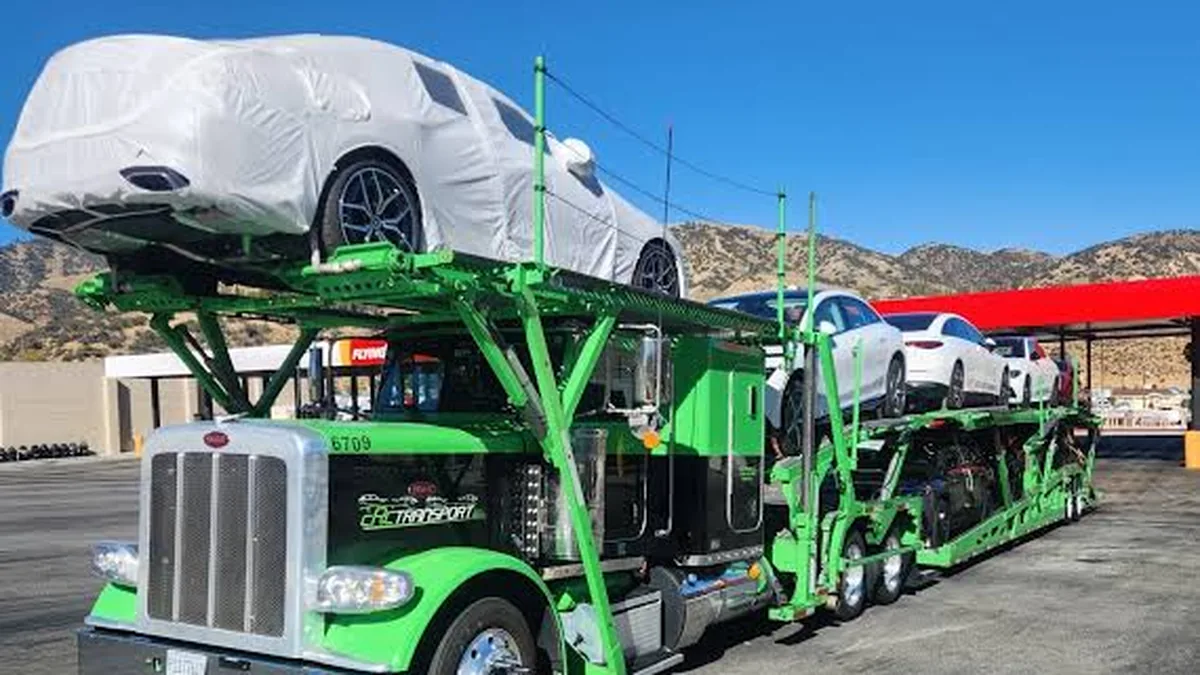
How Much Do Auto Transport Brokers Make?
What auto transport brokers really earn: broker income is margin per load times loads booked, minus cost. Real per-load margins, monthly income scenarios from solo broker to growing brokerage, and the levers that decide your take-home.
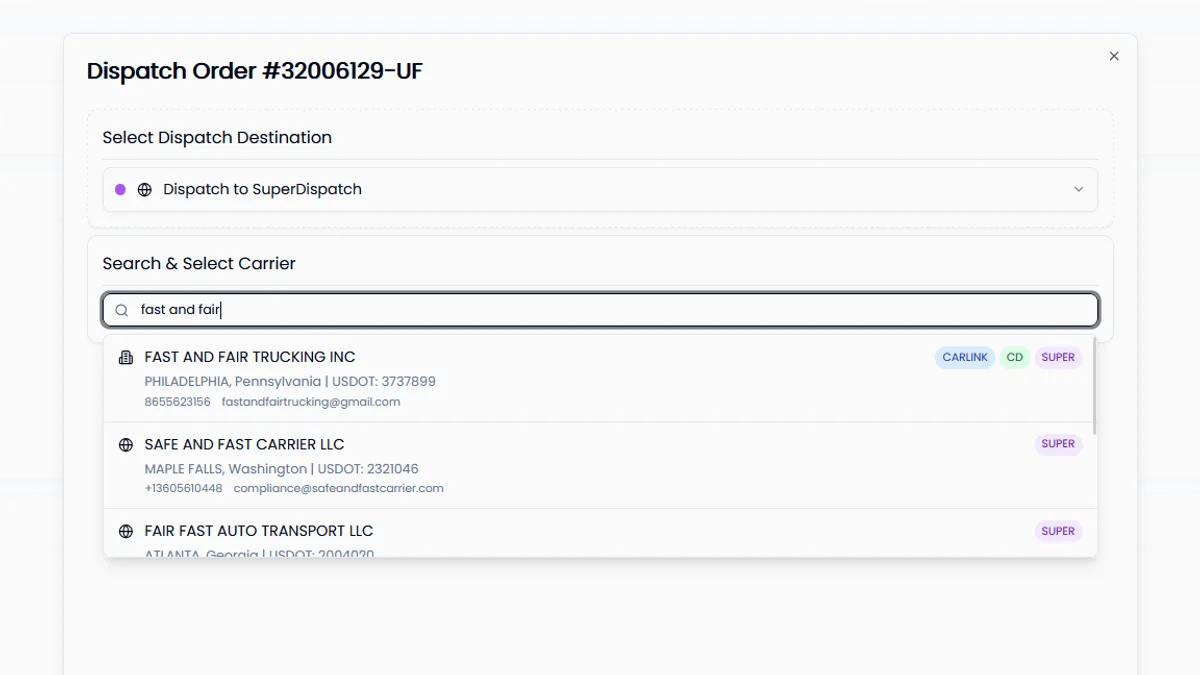
How to Vet Auto Transport Carriers (And Avoid Double Brokering & Fraud)
A broker's carrier vetting checklist: verify USDOT and MC authority on FMCSA SAFER, confirm cargo insurance the right way, check safety records, and spot the red flags of double brokering and carrier identity theft before you dispatch.
How to Get More Auto Transport Leads (Without Burning Your Budget)
Most brokers don't have a lead problem — they have a conversion problem. Where the best auto transport leads come from, why the first quote wins, how to track ROI per source, and how to book more of the leads you already pay for.